How do we flourish together?
collective human dynamics research & development: mechanisms of connectedness within ourselves, with each other, across communities, and distributed environments
We live in a more connected world than ever, yet many people report feeling isolated, and communities often struggle to hold together. Connection is not simply a matter of more contact. It emerges from interactions across scales, from the regulation of a single nervous system to the coordination of groups within the environments that shape them. What supports thriving interconnected human embedded systems, and how could this understanding shape the places where people learn, grow and thrive?
Connection within-individuals
How are we connecting with ourselves, and what are the implications for our health, wellbeing, and relationship with larger systems?
-
Investigating how sensitivity to internal bodily signals develops, and how it shapes regulation and wellbeing.
-
Modeling inner psychological experience as a dynamic system of parts, and examining how greater access to a meta-cognitive Self relates to emotional regulation and integration.
-
Examining contemplative practices embedded in their cultural, communal and physical settings: how those contexts shape what people experience and how those experiences feed back into the communities and traditions that hold them.

Connection with Each Other
How do we attune to one another, and how does that coupling shape our development, healing, and our collective life?
Distributed Intersubjectivity
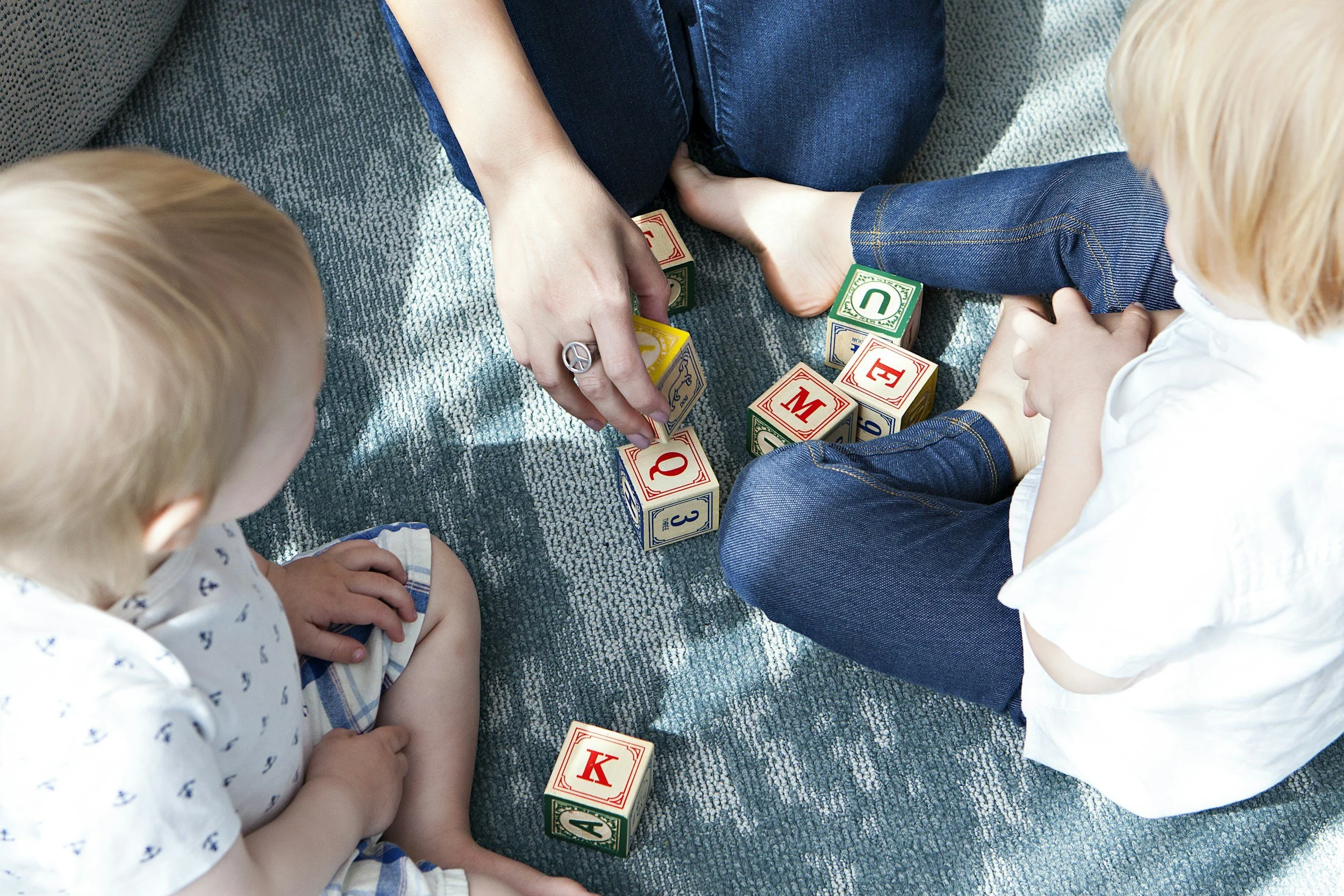
Approach based on shared attention and meaning-making distributed across agents, artifacts and the environment influencing human development and resilience across the lifespan.

Inter-brain Synchronization
Research on the coupling of neural and physiological rhythms between interacting people, and how this coordination contributes to personal growth.
Within a Larger Context
Computational modeling and experiments
Across communities: Collective Human Dynamics. How do shared states emerge and transition in groups, and what is the phenomenology of these transitions for the people within them?
With our environment: Ecological determinants of wellbeing. How do physical and social environments shape learning, regulation and connection?
Applications
Learning design. Applying systems models of learning and growth to educational and therapeutic programs and policy.