Research
Collective Human Dynamics
Collective Transitions in Movement and Music
When people move together, their rhythms can fall into and out of step, sometimes shifting suddenly into a shared state. This project studies those transitions in a closed feedback loop: a group’s movement generates music in real time, and the music in turn shapes how the group moves. Using 3D motion tracking, heart rate monitoring and validated psychological measures, we ask when and how groups shift between states of synchrony, how close a group is to a transition at any moment, and whether groups actively regulate that distance. Over longer timescales, we ask whether collective synchrony is linked to altered states of consciousness and lasting effects on wellbeing.
Methods: network and diffusion map analysis, coupled oscillator modeling, transfer entropy, hidden Markov and stochastic dynamical models, and early warning signals of transition.
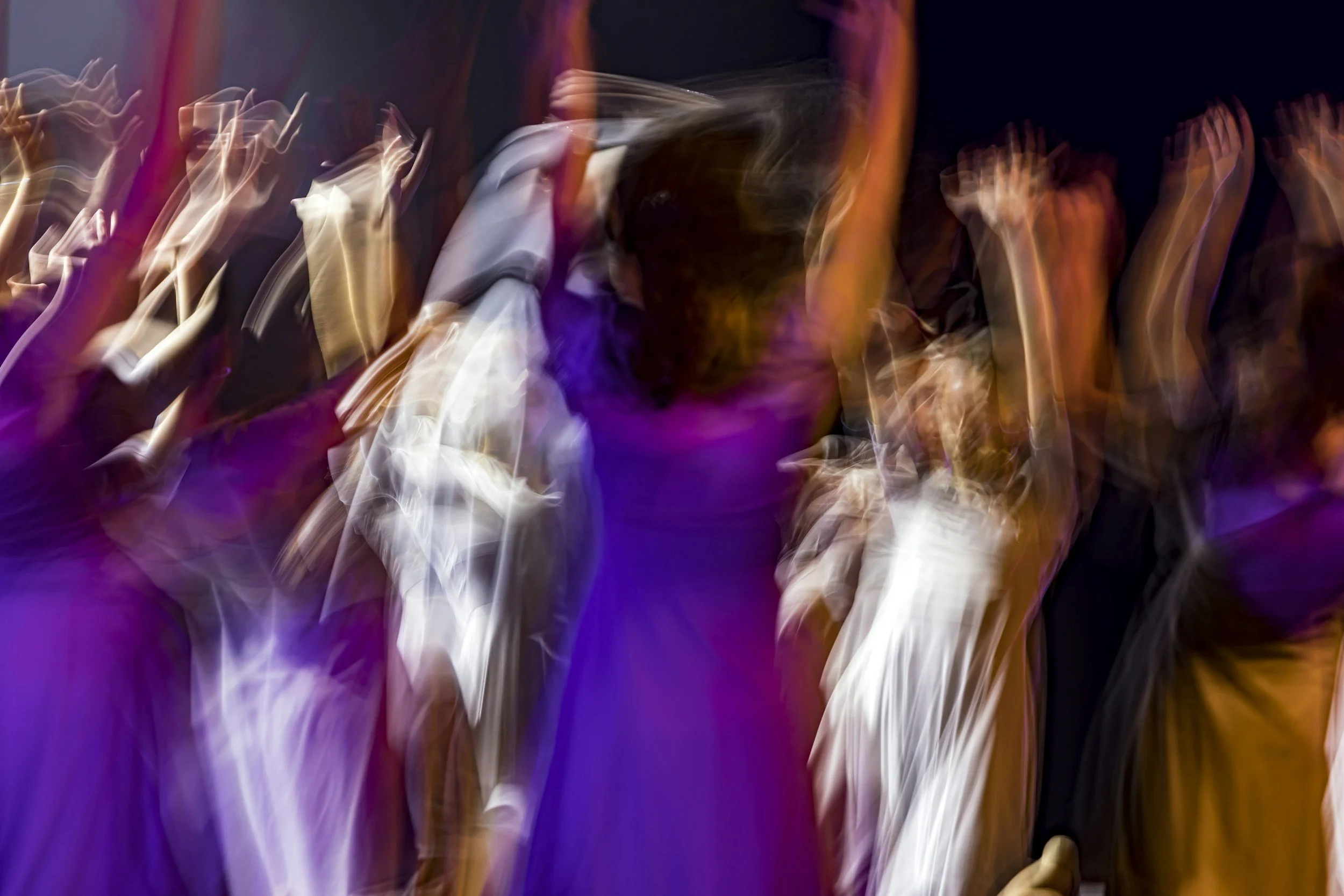
How do shared states emerge and transition in groups, and what is the phenomenology of these transitions for the people within them?
Eigenmodality
Sustained Modes of Healing
Therapeutic approaches are usually studied one at a time, each with its own measures and outcomes. Yet very different interventions may move people along some of the same underlying pathways. This project asks whether there is a shared, low-dimensional structure to how people change across different therapeutic conditions. By decomposing physiological, phenomenological and clinical measures into their principal patterns, or eigenmodes, we look for the dimensions that recur across interventions and those that are unique to each. The aim is a common framework for comparing interventions on the basis of how they work, not only whether they work, to support more precise, safer and better-matched care.
Methods: preparatory dataset transformations, principal component analysis, eigendecomposition of correlation structure, and robust cross-dataset comparison using published clinical trial data.

Shared Patterns of Change Across Interventions
Distributed Intersubjectivity
Shared Meaning-Making Across People, Objects and Places
Understanding is rarely limited to a single mind. We attend to the world together, make sense of it through conversation, objects and shared spaces, and carry that meaning forward as we grow. This project studies how shared attention and meaning-making are distributed across people, the artifacts they use, and the environments they inhabit, and how these distributed systems shape human development and resilience across the lifespan. We ask which configurations of people, tools and settings help shared understanding form, hold together under strain and recover after disruption, with the aim of informing the design of learning environments, care settings and communities that support connection at every stage of life.
Methods: distributed cognition frameworks, interaction and joint attention analysis, and network and dynamical models of shared states.
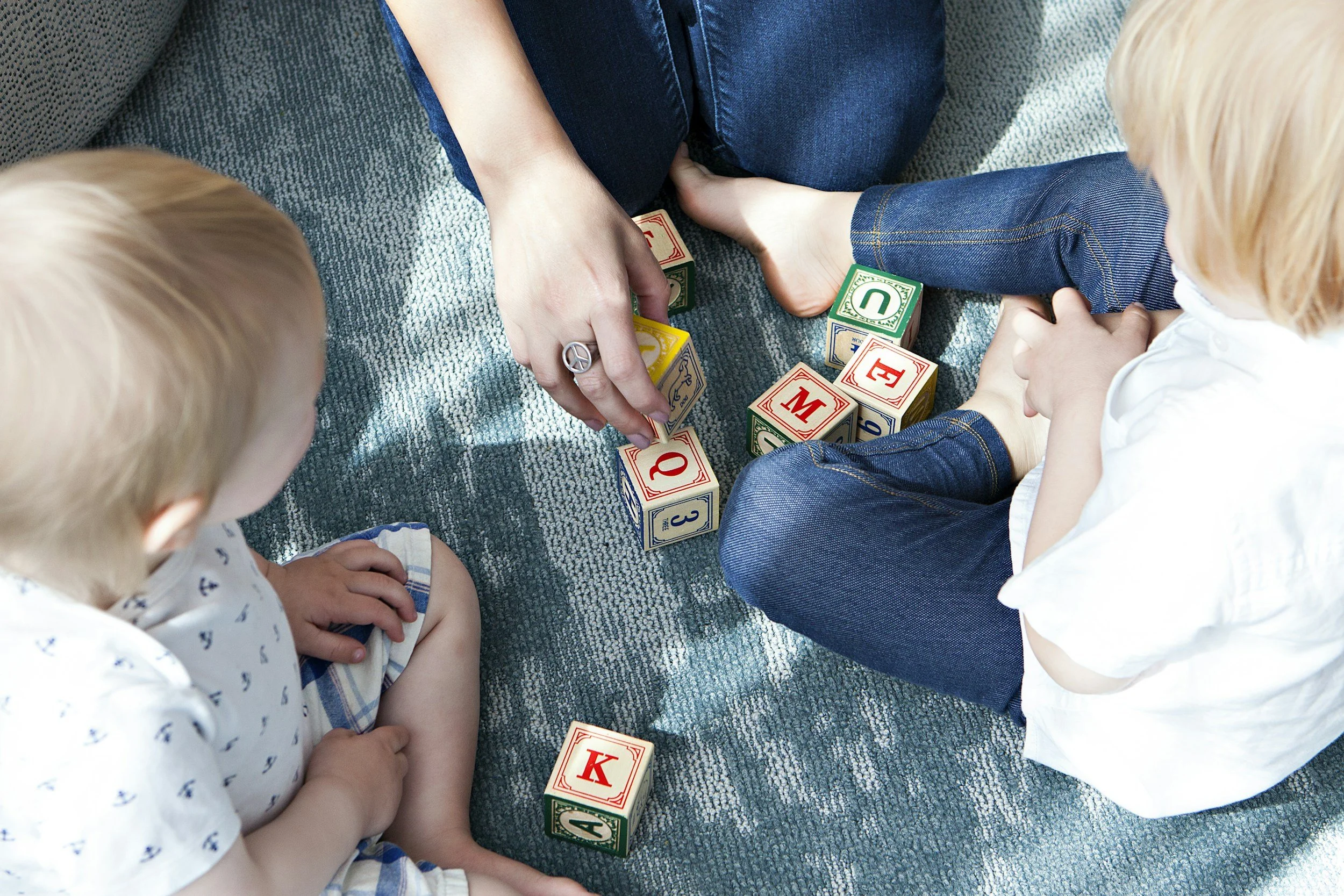
Collective growth within interactive environments
Other Research

Interoception
Investigating how sensitivity to internal bodily signals develops, and how it shapes regulation and wellbeing.

Inter-brain Synchronization
Coupling of neural and physiological rhythms between interacting people, and how this coordination contributes to personal growth.

Contemplative Science
Examining contemplative practices embedded in their cultural, communal and physical settings: how those contexts shape what people experience and how those experiences feed back into the communities and traditions that hold them.